
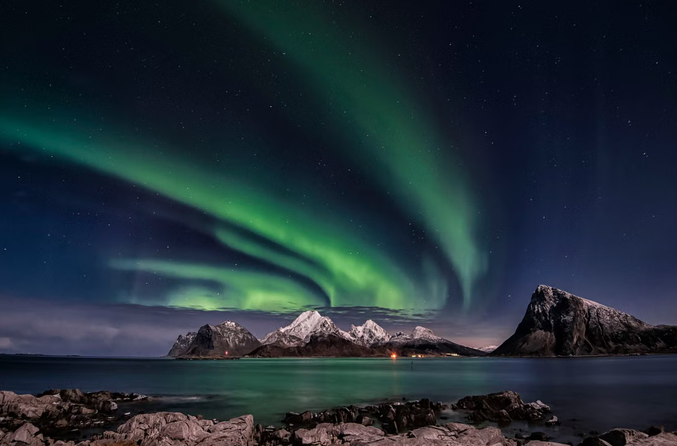
What’s better than standing beneath a vast Arctic sky, snow crunching under your boots, when ribbons of green light suddenly dance overhead. No fireworks. No special effects. Just nature putting on a spectacular show. Experiencing the Northern Lights can become the highlight of a winter trip, but catching them takes more than booking a flight and hoping for magic. The aurora borealis appears when charged particles from the Sun interact with gases in Earth’s atmosphere. The result is a dazzling display of color, often green, but sometimes purple, pink, or red. Ready to chase the sky’s greatest performance? Let’s get your adventure started.
Choose a Destination With Dark Skies
Your first mission is picking the right place. Popular destinations include Tromsø in Norway, Rovaniemi in Finland, Abisko in Sweden, and Iceland’s countryside. These locations sit within or near the auroral oval, a region where sightings are relatively frequent. Each offers a different experience, from snowy forests to dramatic mountain scenery. However, don’t choose a destination based on photographs alone. Light pollution can spoil the view, so look for accommodation outside brightly illuminated towns or arrange an evening excursion into the wilderness. Abisko is particularly popular because its local weather patterns can sometimes create clearer skies than surrounding areas. A little research now can save you from staring at a cloudy sky later.
Pick the Right Time for Your Trip
Winter offers long, dark nights that create excellent viewing opportunities. In many Arctic destinations, the aurora season runs roughly from September through March. December and January bring extended darkness, although shorter winter days aren’t automatically better for every visitor. Cloud cover and solar activity matter just as much. Plan to spend at least three or four nights in your chosen destination if your schedule allows. The aurora doesn’t follow a tourist timetable, unfortunately. One evening might bring spectacular colors, while the next offers nothing but stars. Check aurora forecasts and local weather reports each day, then stay flexible with your evening plans.
Dress for an Arctic Night
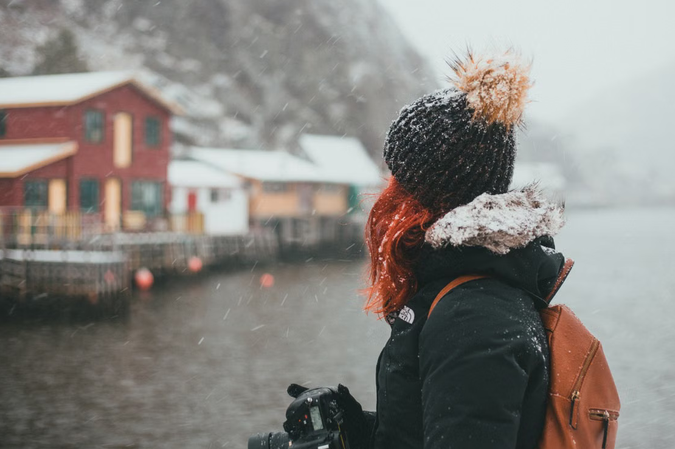
Watching the sky sounds romantic until icy wind starts attacking your fingers. Temperatures in northern destinations can drop well below freezing, especially during long outdoor excursions. Wear thermal base layers, an insulating middle layer, and a windproof outer jacket. Add insulated trousers, thick socks, winter boots, gloves, and a warm hat. Bring hand warmers and keep spare gloves in your bag. A small thermos filled with hot chocolate or tea can also feel like a luxury after an hour outside. Avoid cotton clothing because it holds moisture and loses warmth when damp. Staying comfortable matters because patience is part of the adventure.
Improve Your Chances of Seeing the Aurora
Clear skies and darkness are your best friends. Check the forecast before heading out, then move away from streetlights and illuminated buildings. Local guides often know viewing spots with better visibility and can adjust the route as weather conditions change. Their experience can make a real difference on an unpredictable night. You can also use aurora forecast apps to monitor solar activity and cloud cover. Remember, a high activity reading doesn’t guarantee a spectacular display directly above you. Sometimes the lights appear faint at first, then become brighter as the night progresses. Give your eyes time to adjust and resist checking your phone every thirty seconds.
Capture the Moment Without Missing It
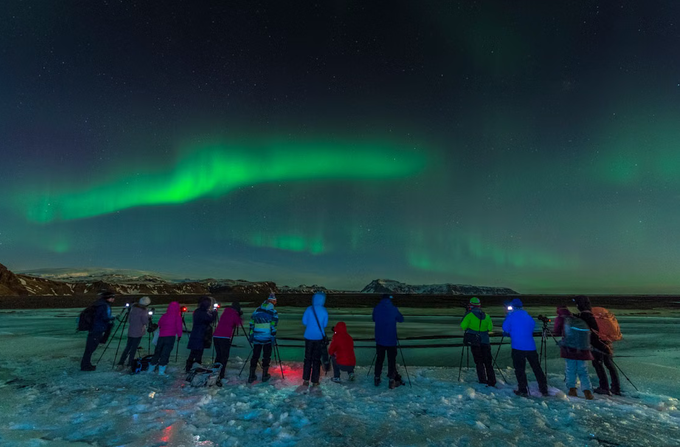
Photographing the Northern Lights takes a little preparation. Use a tripod to keep your camera steady during long exposures, and switch to manual settings if possible. A wide-angle lens helps capture more of the sky, while a remote shutter or timer reduces camera movement. Experiment with exposure times and ISO settings until the colors appear clearly. But don’t spend the entire evening staring at a screen. Take a few photographs, put the camera away, and enjoy the spectacle with your own eyes. The best souvenir might be the memory of standing beneath a glowing Arctic sky, surrounded by silence and snow. That’s a moment no camera can fully reproduce.
Make the Journey Worth Remembering
Chasing the Northern Lights requires patience, preparation, and a little luck. Choose a dark-sky destination, schedule several nights, dress properly, and watch the weather. Even if the aurora refuses to appear, winter destinations offer plenty of other experiences, including dog sledding, snowshoeing, and local cultural activities. And when those colorful ribbons finally appear? Stop talking for a moment. Look up. Let the Arctic sky do its thing.


